
Anti-Inflammatory Diet: The Complete Guide to Fighting Inflammation With Food
📑 Table of Contents
Anti-Inflammatory Diet: The Complete Guide to Fighting Inflammation With Food
Inflammation is your body’s natural defense system. When you get a cut or catch a cold, your immune system sends white blood cells to the affected area, causing redness, swelling, and warmth. This acute inflammation is protective and temporary — it resolves within hours or days.
But there’s another kind of inflammation that’s far more dangerous. Chronic low-grade inflammation operates silently, persisting for months or years without obvious symptoms. The World Health Organization calls chronic inflammatory diseases “the greatest threat to human health” Heart & Stroke Foundation. And the foods you eat every single day play a massive role in whether your body is fighting inflammation or fueling it.
This guide covers exactly which foods fight inflammation, which ones trigger it, and how to build an anti-inflammatory eating pattern that works for real life. It’s backed by the latest 2025-2026 science, including a new meta-analysis from the University of Warwick showing that plant-based dietary patterns can lower C-reactive protein (CRP) — a key inflammatory marker — by over 1 mg/L Medical Xpress / Nutrition, Metabolism and Cardiovascular Diseases, April 2026.
Let’s start with the basics.
What Is Chronic Inflammation and Why Should You Care?
Acute inflammation is the good guy. It helps you heal from injuries and fight off infections — think of the swelling around a sprained ankle or the redness around a paper cut.
Chronic inflammation is different. It’s a persistent, low-grade immune response that sticks around when there’s nothing left to fight. Over time, this simmering inflammation damages blood vessels, neurons, joints, and organs. Research has linked chronic inflammation to:
- Heart disease and stroke
- Type 2 diabetes
- Certain cancers
- Alzheimer’s disease and cognitive decline
- Rheumatoid arthritis and osteoarthritis
- Autoimmune conditions
- Depression and anxiety
A 2025 meta-analysis in Frontiers in Nutrition analyzed multiple clinical trials and found that anti-inflammatory diets led to significant reductions in systolic blood pressure (by nearly 4 mmHg), LDL cholesterol, and hs-CRP levels Frontiers in Nutrition, March 2025. These aren’t tiny changes — they translate to real reductions in cardiovascular risk.
The question isn’t whether diet affects inflammation. The science is clear that it does. The question is: what should you actually eat?
The Science Behind Anti-Inflammatory Foods
Three main classes of compounds give foods their inflammation-fighting power:
Omega-3 fatty acids (EPA and DHA) inhibit the production of pro-inflammatory molecules and activate specialized compounds that help your body actively shut down inflammatory cascades. You find these in fatty fish, walnuts, and flaxseeds.
Polyphenols — including flavonoids, anthocyanins, and phenolic acids — suppress the NF-kB signaling pathway, which is essentially the master switch for inflammation at the cellular level. These are found in berries, dark chocolate, tea, olive oil, and colorful produce.
Dietary fiber feeds beneficial gut bacteria that produce short-chain fatty acids like butyrate. These compounds regulate immune responses throughout your entire body. Fiber comes from whole grains, legumes, vegetables, and fruits.
The Dietary Inflammatory Index (DII), developed by researchers at the University of South Carolina, scores foods based on their relationship with six key inflammatory biomarkers. Foods with negative scores reduce inflammation; foods with positive scores increase it. The foods on our list below consistently pull your DII score in the anti-inflammatory direction Inflamous, 2026.
The 12 Most Powerful Anti-Inflammatory Foods
1. Fatty Fish
Salmon, mackerel, sardines, trout, and tuna are packed with EPA and DHA omega-3s. The American Heart Association recommends eating fatty fish at least twice a week. About 60% of your brain is made of fat, and omega-3s are critical building blocks for brain cell membranes Northwestern Medicine, November 2025.
2. Berries
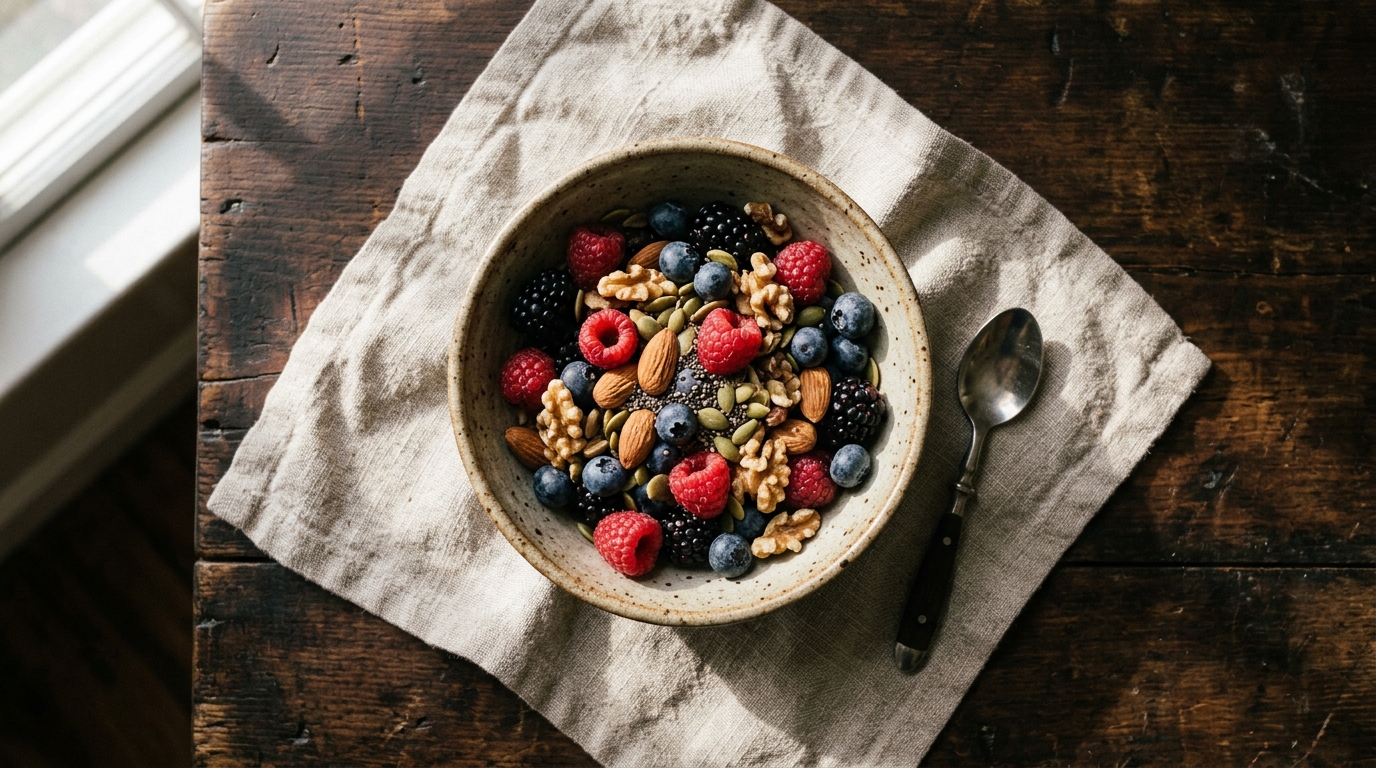
Blueberries, strawberries, raspberries, and blackberries contain anthocyanins — powerful antioxidants that give berries their deep colors. A 2018 review found that berry phytochemicals may help delay cancer development and progression PubMed / Healthline, updated May 2026.
3. Leafy Greens
Spinach, kale, collard greens, Swiss chard, and arugula are rich in folate, vitamin K, vitamin C, and vitamin A. Aim for at least two servings of leafy greens per day for optimal cell protection Heart Research Institute, April 2026.
4. Extra Virgin Olive Oil
EVOO contains oleocanthal, a compound with anti-inflammatory properties comparable to ibuprofen (though much gentler). Choose “high polyphenol” varieties for maximum benefit. Replace butter and seed oils with olive oil for cooking and dressings Harvard Health, February 2026.
5. Nuts and Seeds
Walnuts, almonds, flaxseeds, chia seeds, and pumpkin seeds provide healthy fats, fiber, and magnesium. Studies have consistently linked nut consumption with reduced markers of inflammation and lower cardiovascular disease risk Harvard Health, February 2026.
6. Turmeric and Ginger
Curcumin, the active compound in turmeric, is one of the most studied anti-inflammatory compounds in existence. Pair it with black pepper to boost absorption by up to 2000%. Ginger contains gingerol, which works through similar pathways.
7. Whole Grains
Oats, quinoa, brown rice, barley, and whole wheat are packed with fiber that feeds your gut microbiome. The resulting short-chain fatty acids help regulate inflammation throughout the body. Aim for at least three servings daily Arthritis Society Canada, 2025.
8. Tomatoes
Tomatoes are rich in lycopene, a powerful antioxidant with anti-inflammatory properties. Cooking tomatoes (as in sauces or soups) actually increases lycopene bioavailability. Enjoy them cooked or raw.
9. Green Tea and Coffee
Both beverages are rich in polyphenols. Harvard researchers note that coffee drinkers have lower levels of inflammatory markers. Green tea provides epigallocatechin gallate (EGCG), one of the most potent anti-inflammatory compounds found in nature Harvard Health, February 2026.
10. Cruciferous Vegetables
Broccoli, cauliflower, Brussels sprouts, cabbage, and kale contain sulforaphane, a compound that activates anti-inflammatory pathways at the genetic level. Aim for 2-3 servings per week.
11. Fermented Foods
Yogurt, kefir, kimchi, sauerkraut, and kombucha provide probiotics that support a healthy gut microbiome. A healthy gut lining prevents inflammatory particles from leaking into your bloodstream — a condition known as “leaky gut” Heart & Stroke Foundation.
12. Dark Chocolate
Yes, chocolate makes the list. Dark chocolate with 70%+ cocoa content is rich in flavonoids that reduce inflammation. Stick to 1-2 small squares per day to get the benefits without the sugar.

What to Eat: The Anti-Inflammatory Plate
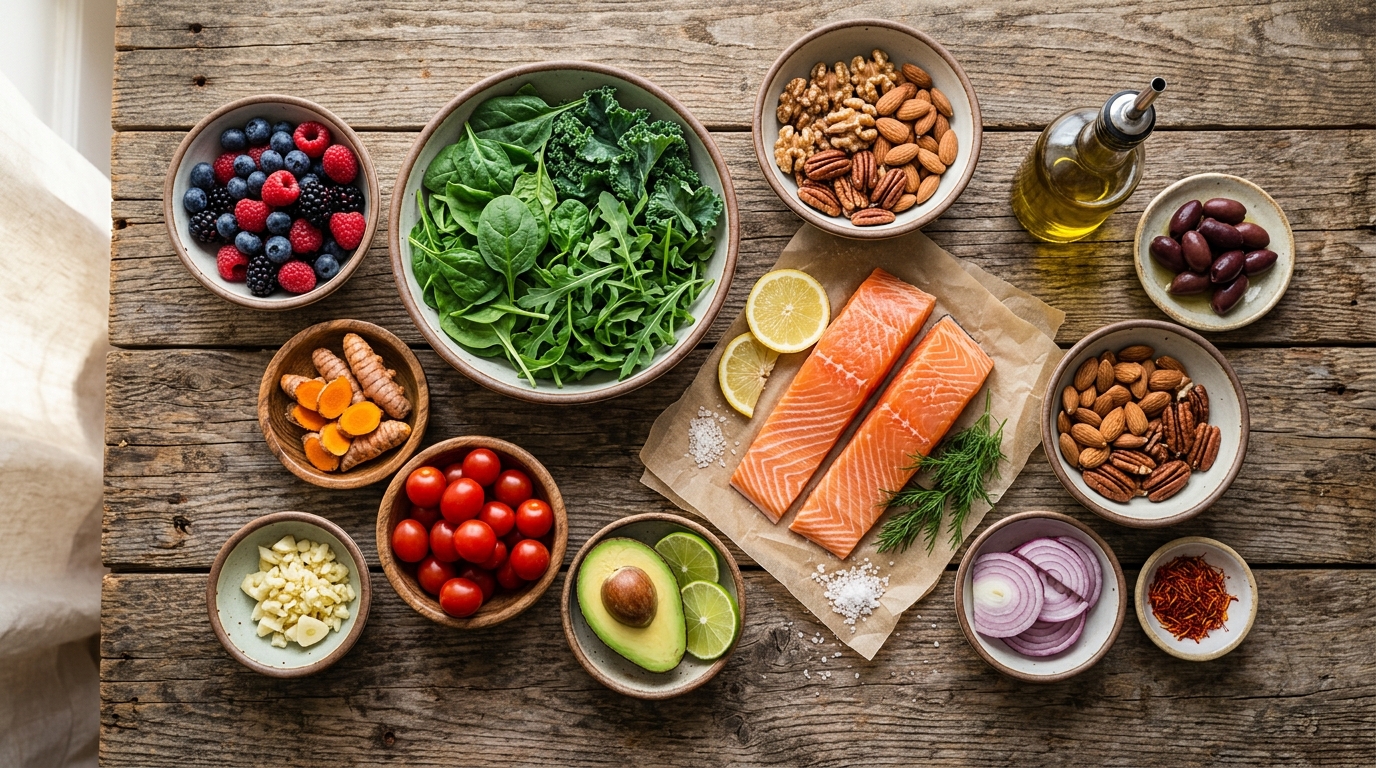
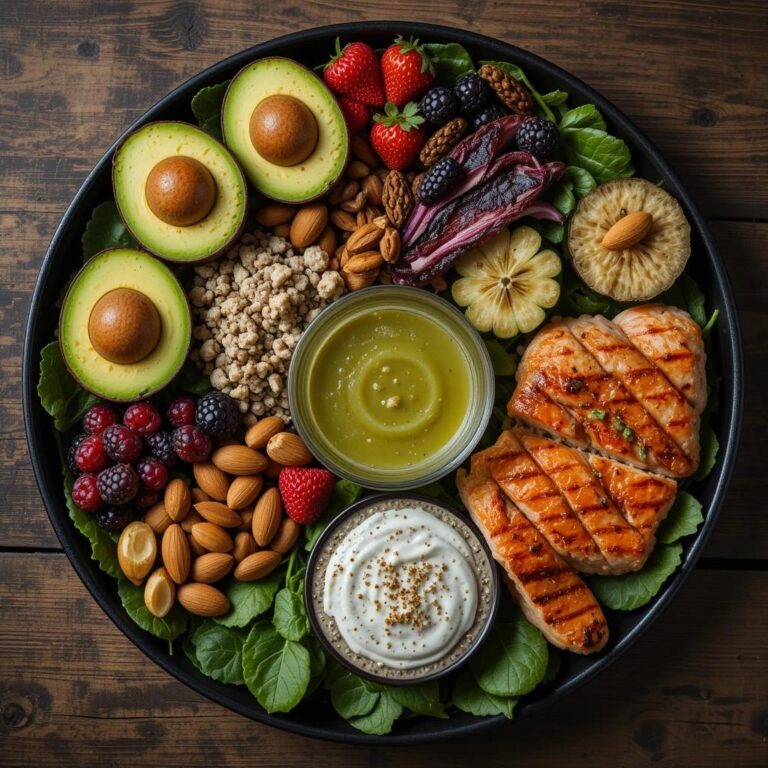
Here’s a simple framework for building an anti-inflammatory meal. Fill your plate with:
- Half the plate: colorful vegetables and fruits (aim for 3+ colors)
- One quarter: lean protein (fatty fish, poultry, legumes, tofu)
- One quarter: whole grains or starchy vegetables (quinoa, sweet potato, brown rice)
- Add: healthy fats (olive oil drizzle, avocado, nuts, seeds)
- Drink: water, green tea, or black coffee
This pattern closely mirrors the Mediterranean diet, which the PREDIMED study showed reduces CRP, IL-6, and other inflammatory markers compared to a standard low-fat diet PubMed / PREDIMED study.
Foods That Cause Inflammation (What to Cut Back On)
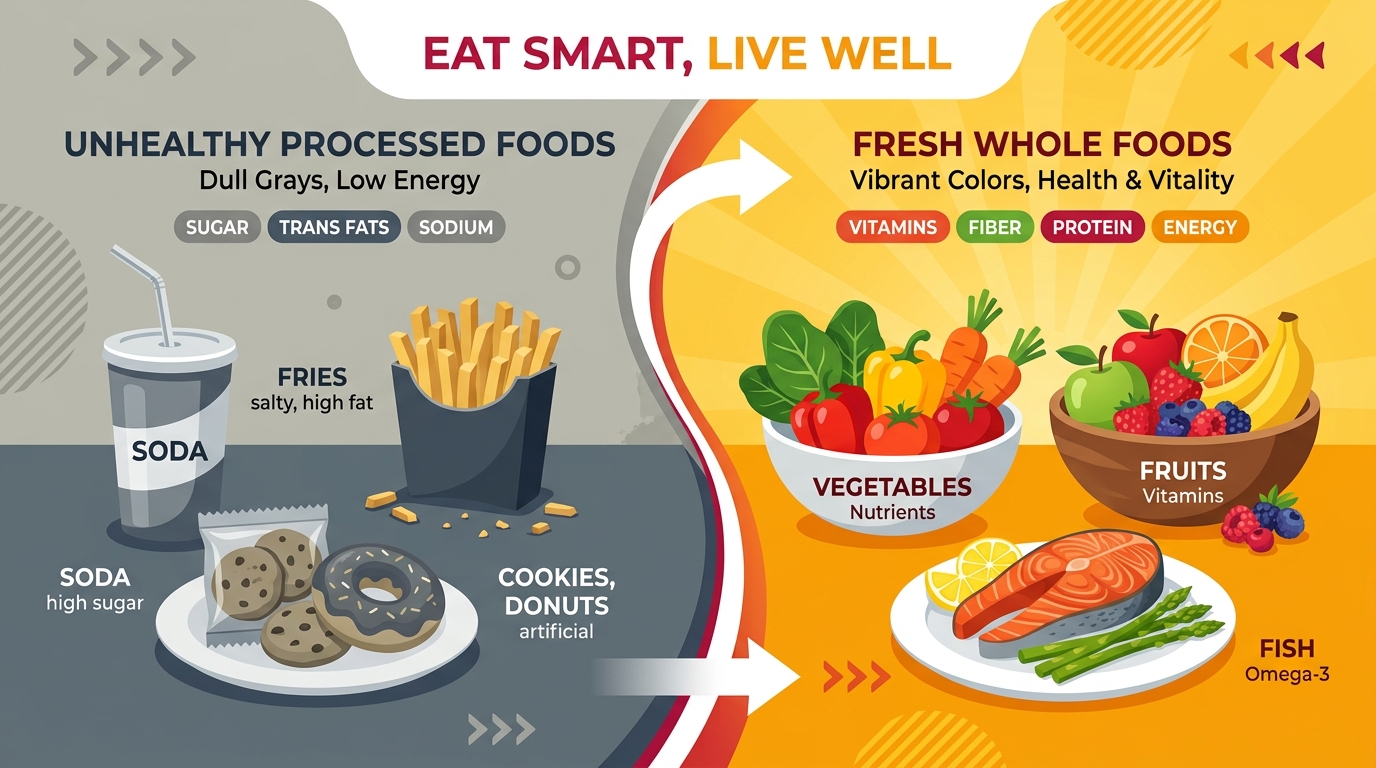
Sugar and Refined Carbohydrates
Sodas, sweet treats, white bread, white pasta, and refined cereals spike blood sugar and trigger inflammatory cascades. Harvard Health notes that white flour, in particular, leads directly to a pro-inflammatory state Harvard Health, March 2026.
Ultra-Processed Foods
A 2025 report in Nutrients found that ultra-processed foods change gut bacteria, damage the gut lining, and switch on inflammatory genes in cells. Other studies have linked them to shorter lifespans, cancer, heart disease, and diabetes MDPI Nutrients, 2025.
Seed Oils High in Omega-6
While some omega-6 is necessary, the modern diet contains far too much relative to omega-3. Cut back on soybean, corn, cottonseed, and sunflower oils. Replace with olive oil, avocado oil, or coconut oil.
Processed and Red Meats
Bacon, sausage, deli meats, and excessive red meat intake are associated with higher inflammatory markers and increased disease risk.
Alcohol
Excessive alcohol consumption promotes inflammation. If you drink, stick to moderate intake — one drink per day for women, two for men. Red wine in moderation may actually provide anti-inflammatory benefits due to resveratrol.
Sample Anti-Inflammatory Meal Plan
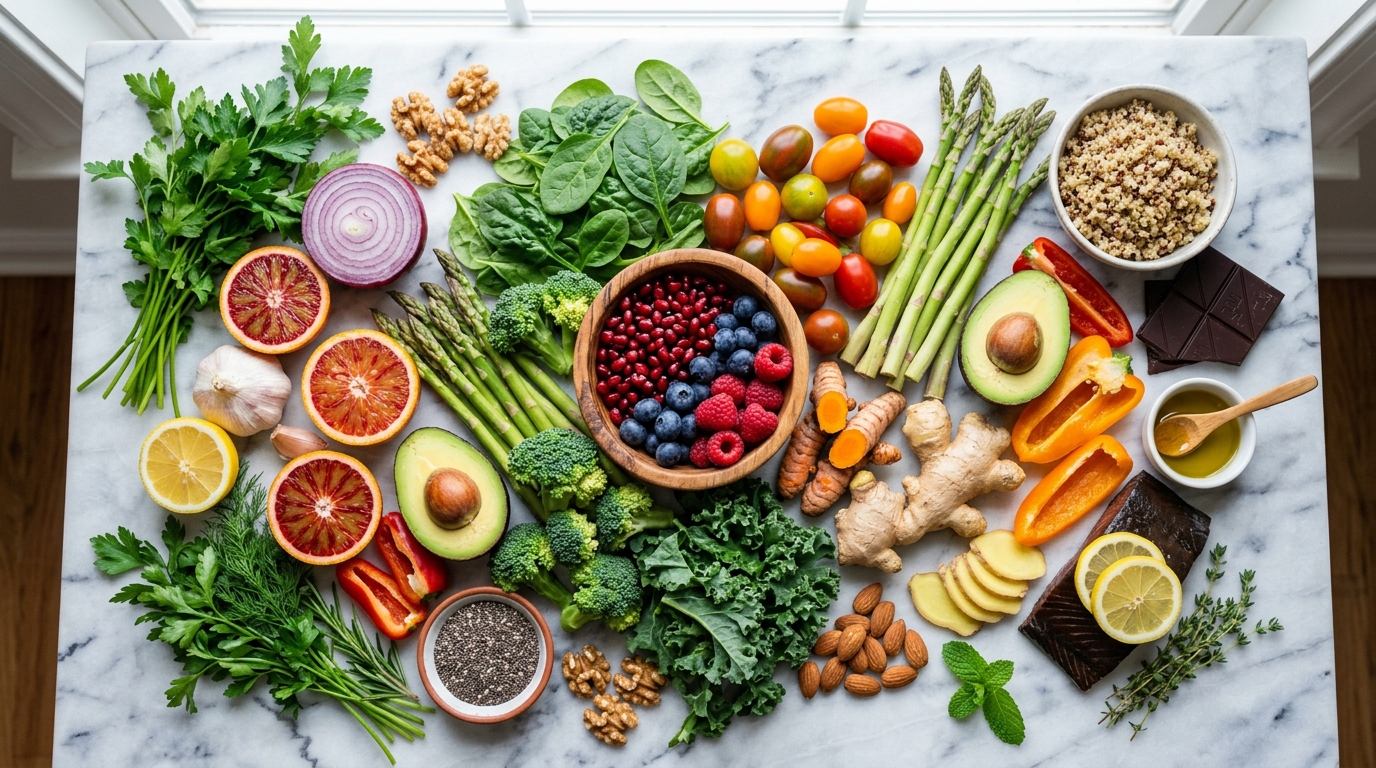
Here’s what a day of anti-inflammatory eating actually looks like:
Breakfast: Overnight oats with blueberries, walnuts, chia seeds, and a dash of cinnamon. Black coffee or green tea.
Lunch: Large salad with mixed greens, grilled salmon, avocado, cherry tomatoes, cucumber, and olive oil vinaigrette. Side of quinoa.
Snack: Apple slices with almond butter, or a small handful of mixed nuts and dark chocolate squares.
Dinner: Baked chicken or tofu with roasted broccoli, sweet potato wedges tossed in olive oil, and a side of fermented vegetables (kimchi or sauerkraut).
Dessert (optional): A small bowl of mixed berries with plain Greek yogurt and a drizzle of honey.

How Long Until You See Results?
Research suggests that anti-inflammatory dietary patterns can reduce CRP and other inflammatory markers within 4 to 8 weeks. A 24-week trial of a modified Mediterranean diet showed a mean hs-CRP reduction of 2.9 mg/L — a substantial improvement Multiple Sclerosis and Related Disorders, February 2026.
For best results, combine dietary changes with regular exercise, adequate sleep (7-9 hours), stress management, and maintaining a healthy weight.
Common Myths About Anti-Inflammatory Diets
Myth: Coconut oil is great for fighting inflammation.
Truth: Despite the hype, coconut oil is high in saturated fat. Harvard Health explicitly calls this one a myth Harvard Health.
Myth: Detox cleanses reduce inflammation.
Truth: Your liver and kidneys are already excellent detox systems. No cleanse or juice fast has been shown to reduce inflammatory markers. Whole-food dietary patterns work far better Harvard Health.
Myth: Tomatoes, beans, and whole grains cause inflammation.
Truth: This myth comes from the paleo and autoimmune protocol communities, but the evidence says otherwise. These foods are rich in anti-inflammatory compounds. Multiple studies show they reduce, not increase, inflammation Harvard Health.
Frequently Asked Questions
What is the best anti-inflammatory diet?
The Mediterranean diet has the strongest evidence base. It emphasizes fruits, vegetables, whole grains, fish, olive oil, and moderate red wine. Multiple randomized controlled trials show it reduces CRP, IL-6, and other inflammatory markers PREDIMED study / PubMed.
Can an anti-inflammatory diet help with weight loss?
Yes. Many people lose weight naturally when they switch to anti-inflammatory eating because they’re replacing calorie-dense processed foods with nutrient-dense whole foods. The weight loss itself further reduces inflammation — even moderate weight loss can lower CRP levels Mayo Clinic, September 2025.
How much inflammation is normal?
Some inflammation is normal and necessary. The goal isn’t zero inflammation — it’s preventing chronic, low-grade inflammation. If you have persistent symptoms like joint pain, fatigue, brain fog, or digestive issues, talk to your doctor about testing CRP and other inflammatory markers.
Do I need to take supplements?
Food first, supplements second. While some supplements like omega-3s and curcumin have anti-inflammatory properties, whole-food dietary patterns have a much greater impact than any single supplement. Focus on food quality first, then consider targeted supplementation after consulting your doctor.
Can an anti-inflammatory diet prevent disease?
No diet can guarantee disease prevention, but the evidence is strong that anti-inflammatory eating patterns reduce your risk of cardiovascular disease, type 2 diabetes, certain cancers, and cognitive decline. The Heart and Stroke Foundation found a 28% lower risk of stroke and 46% lower risk of heart disease in people eating more anti-inflammatory foods Heart & Stroke Foundation.
The Bottom Line
Chronic inflammation is a hidden driver of many of today’s most common diseases. But you have more control than you think. The foods you eat every day either fight inflammation or fuel it.
Start with small changes: swap one processed meal for a whole-food meal, add a serving of leafy greens to lunch, replace one soda with green tea. Small steps add up, and the science shows real changes in inflammatory markers within weeks.
This article was informed by trending health data from YouTube (where “anti-inflammatory grocery list” was a top-searched topic), Google Trends (showing sustained interest in healthy eating and nutrition), and RSS feed data from ScienceDaily and Medical Xpress covering the latest nutritional science from 2025-2026.
Related Articles
- Flush Liver Fat Fast: My Journey to a Healthier Liver in 2025
- Eat These to Burn Belly Fat Like Crazy: 10 Proven Foods for a Flatter Stomach
- Boost Your Health in 2025: The Ultimate Guide to Immune-Boosting Foods
Last updated: May 24, 2026


Leave a Reply